Personal Property Claims
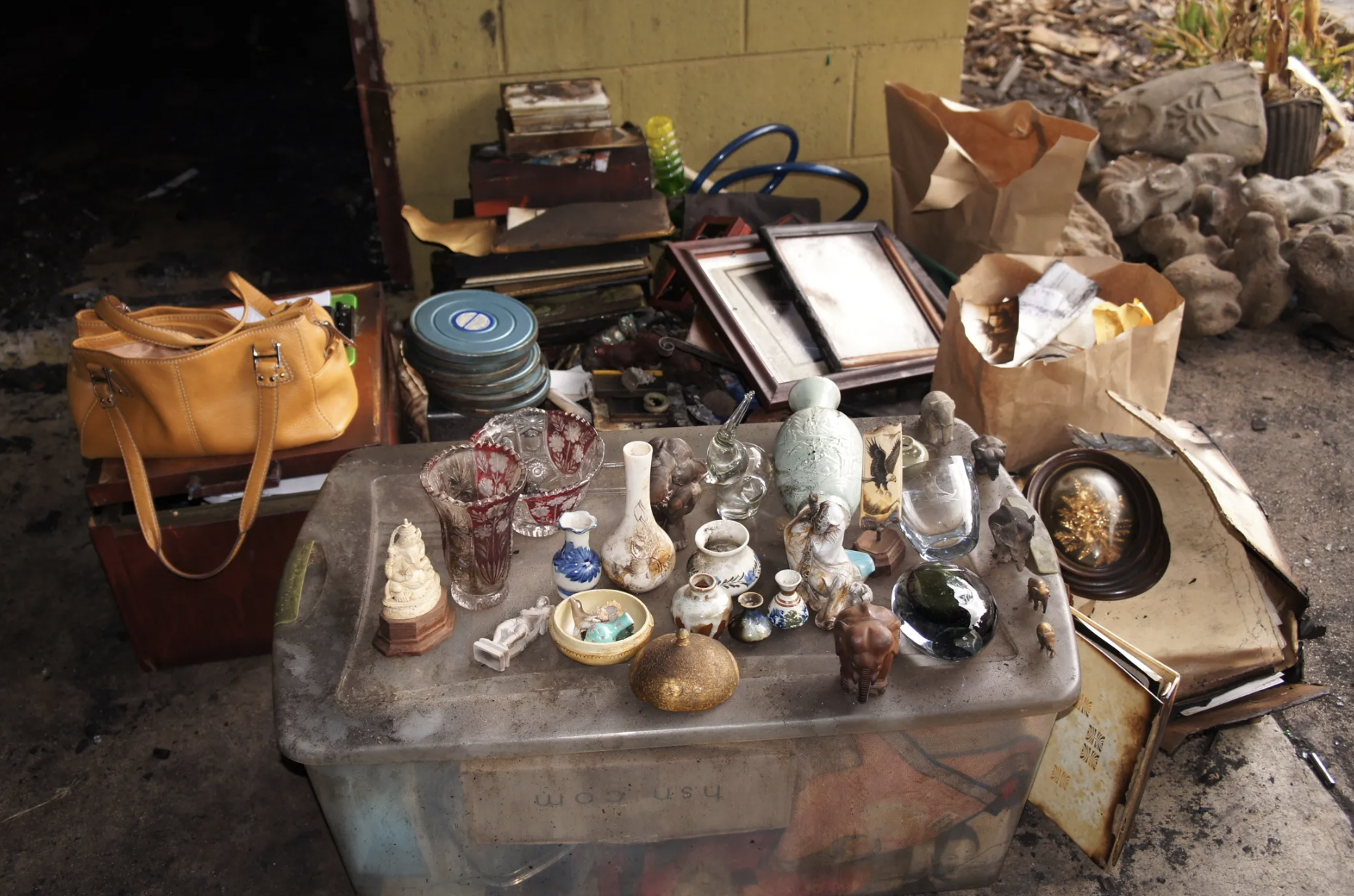
There’s value in everything!
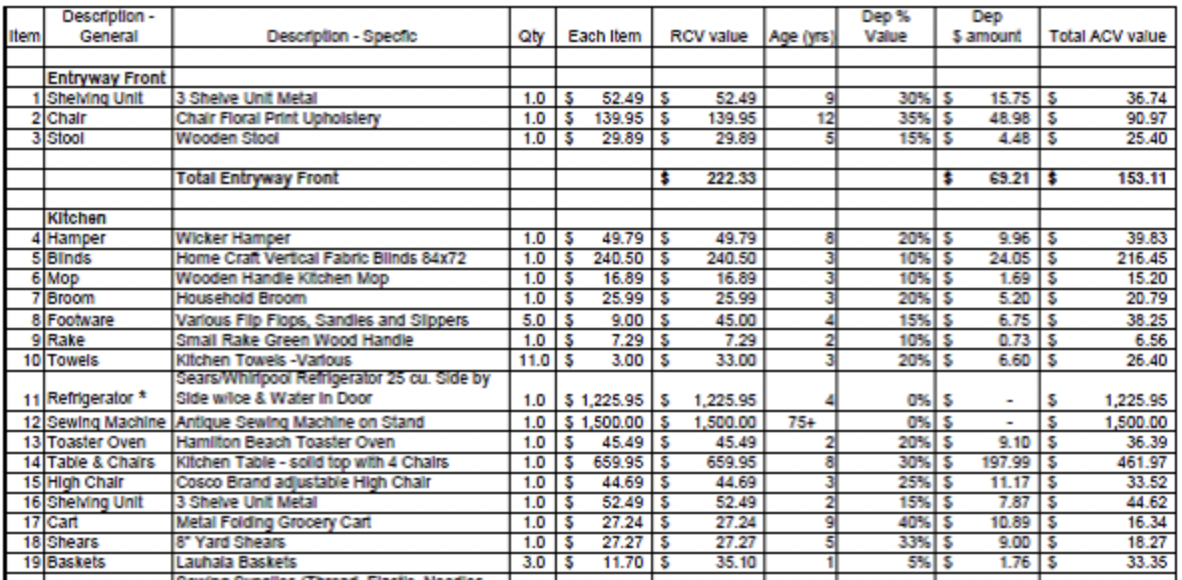
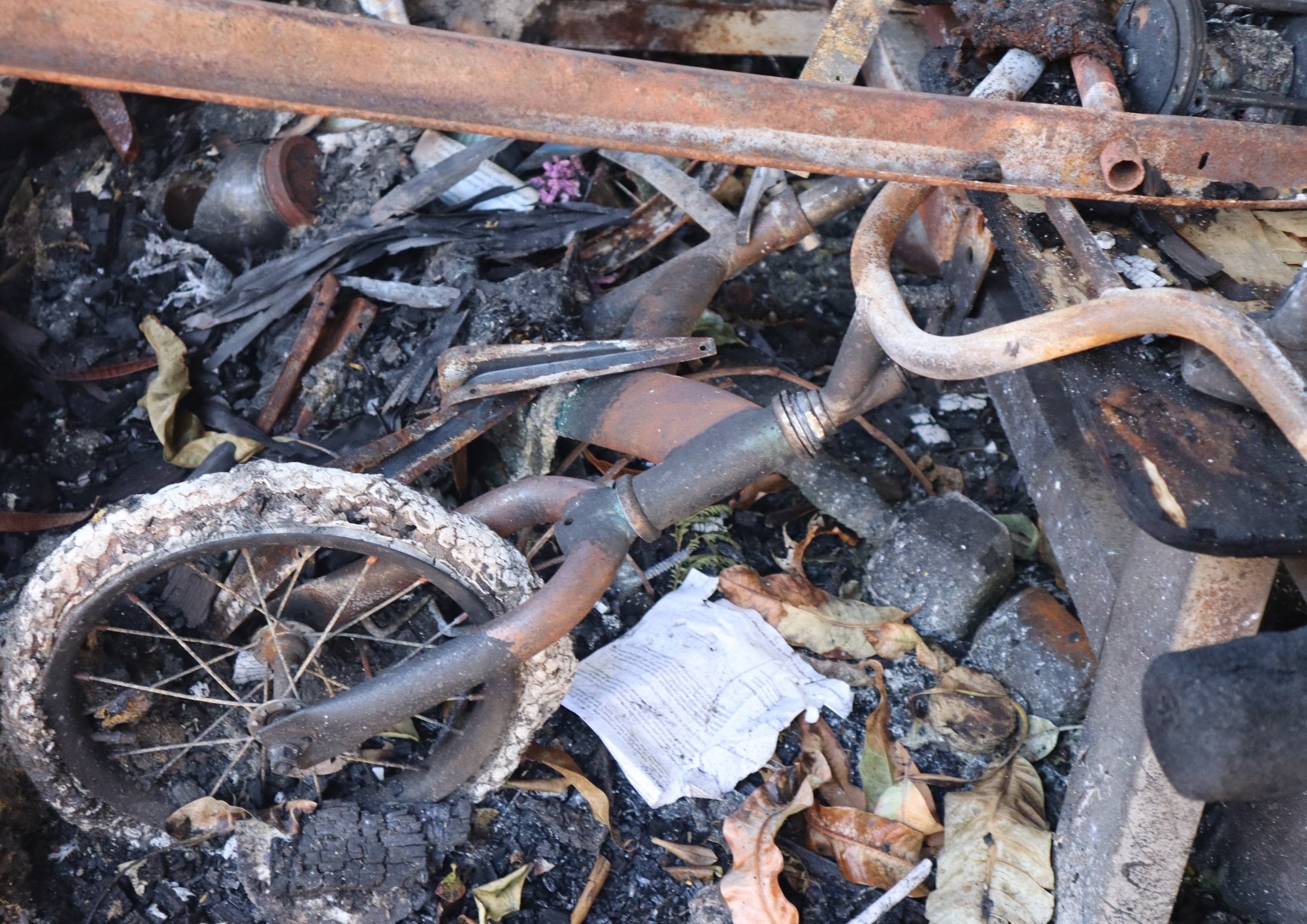
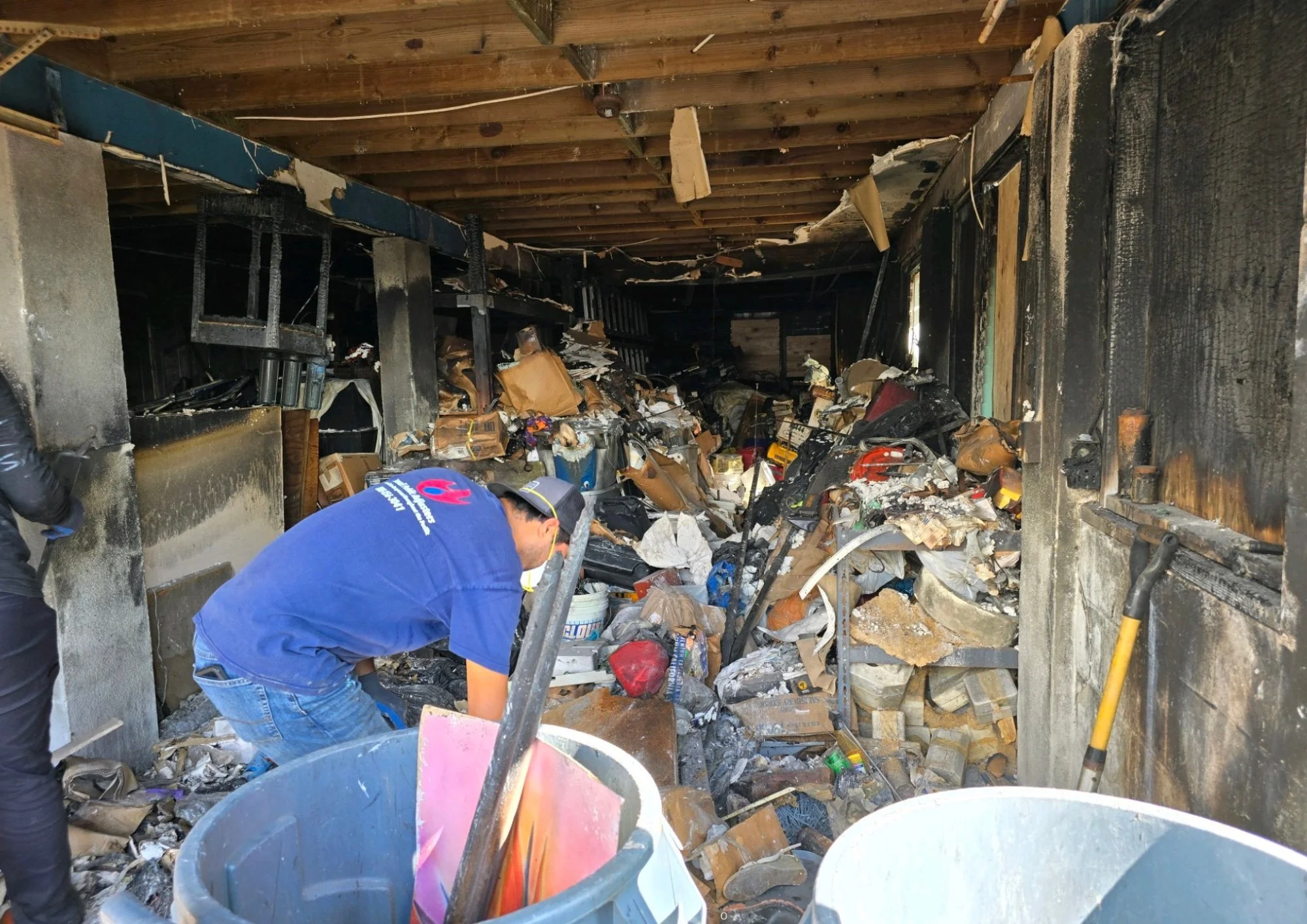
Valuing personal property can prove to be the most frustrating, time-consuming and emotionally challenging processes involved with an insurance claim. There are literally thousands of policies amongst all of the insurers and within each one of them are specifics on how claims on personal property are to be handled. Typically, insurance companies first require that salvageable property items be separated from the damaged property in order to protect them from further harm. This is also includes everything from orchestrating on or off-site storage options and cleaning contractors to remediate furniture and clothing. If an item was destroyed you must then catalog each item by type, description, quantity, age and depreciation value for the insurance company to review.
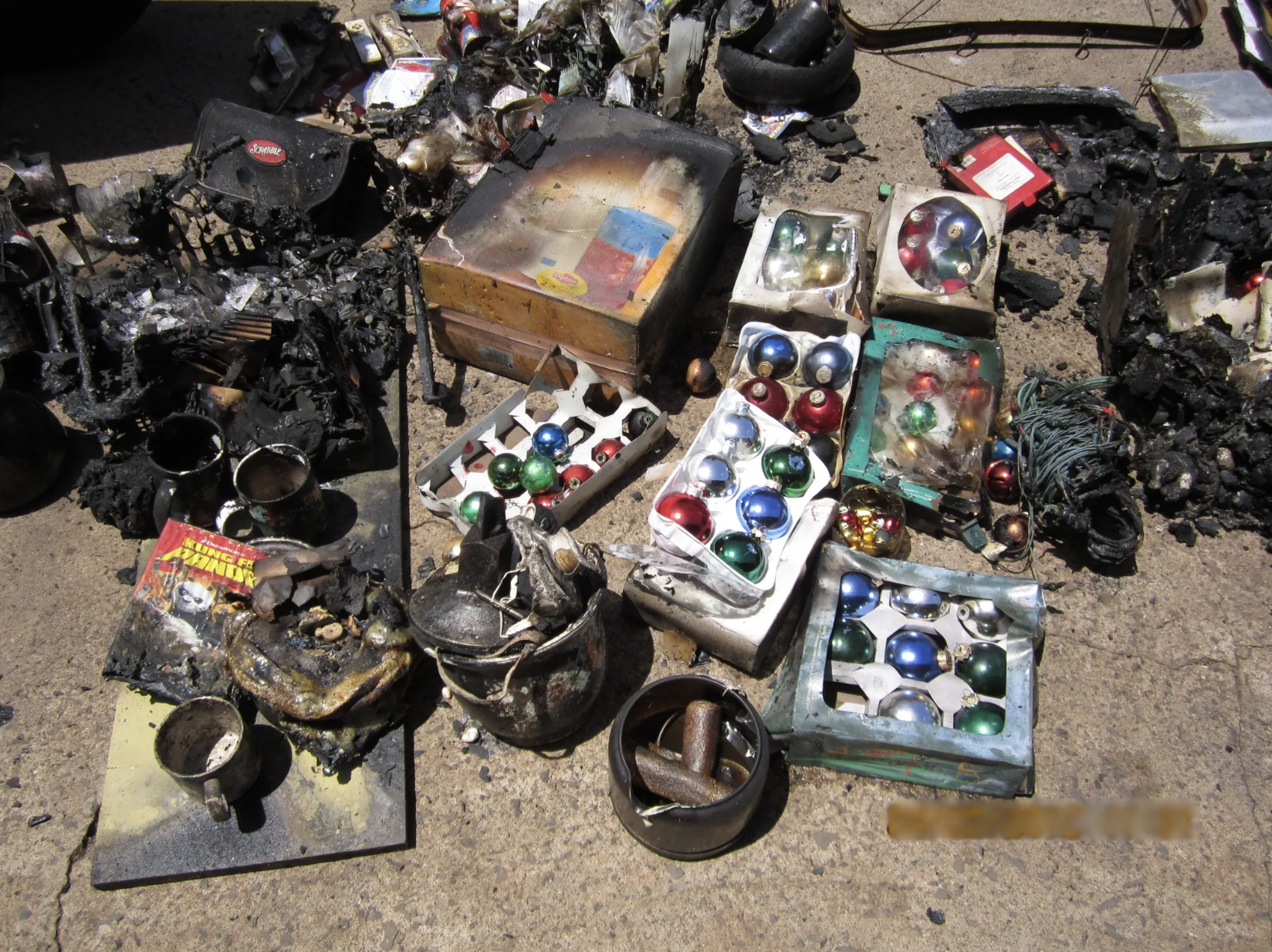
Hawaii Public Adjusters assembles personal property teams to do room-by-room and area-by-area cataloging of the items in your home. Every tooth brush, bottle of relish, ball of yarn and coffee cup represents a value and is included in our detailed reports. Once we have completed the cataloging of all the damaged contents your items are then to be priced to be replaced. Taxes, shipping, special handling are all included. Contrary to what some insurers may tell you, not having receipts for your original purchases does not mean that your items won’t be replaced.
A typical single family home involved in a structure fire contains more than 7,500 personal property items. They all need to be listed or you are losing value in your claim. Below is a sample of one of our personal property inventories.